Why Your Feet Deserve Daily Attention
Your feet carry you through every step of your day, yet they are often the most neglected part of the body when it comes to routine care. From the moment you step out of bed in the morning to the last few strides before you settle in for the night, your feet absorb impact, balance your weight, and adapt to whatever surface you walk on. Over a lifetime, the average person walks the equivalent of nearly five times around the Earth. That kind of mileage takes a toll, and without proper maintenance, small problems can escalate into chronic pain or mobility limitations.
Maintaining healthy feet is not just about avoiding discomfort. It directly affects your posture, your gait, and even the health of your knees, hips, and lower back. When your feet are functioning well, the rest of your body moves more efficiently. For anyone who walks, runs, stands for work, or simply enjoys being active, a consistent foot care routine is one of the smartest investments you can make in your long-term wellbeing.
Understanding Your Feet and Common Issues
The human foot is a complex structure made up of 26 bones, 33 joints, and more than 100 muscles, tendons, and ligaments. It is designed to be both flexible enough to adapt to uneven terrain and strong enough to support your full body weight. When any part of this intricate system is out of balance, it can cause problems that radiate far beyond the foot itself.
Some of the most common foot issues people experience include plantar fasciitis, which causes sharp heel pain first thing in the morning; flat feet or fallen arches, which can lead to overpronation and strain on the knees and hips; bunions, which develop from prolonged pressure on the big toe joint; and general arch fatigue from standing on hard surfaces for long periods. Many of these conditions develop gradually, and people often dismiss early warning signs like mild soreness or stiffness as normal wear and tear. In reality, these are signals that your feet need attention.
The good news is that most common foot problems are preventable or manageable with the right approach. Understanding your foot type, your activity level, and the specific demands of your daily routine is the first step toward keeping your feet healthy and pain-free.
Daily Foot Care Habits That Make a Difference
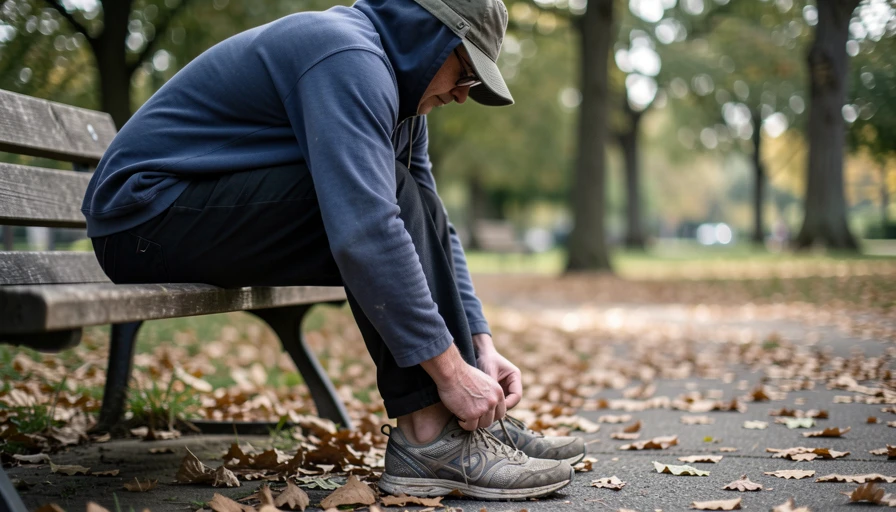
A few simple daily habits can dramatically improve the health and comfort of your feet. The first and most important is hygiene. Wash your feet thoroughly with warm water and mild soap each day, paying attention to the spaces between your toes. Dry them completely, especially between the toes, to reduce the risk of fungal infections. Moisturise the soles and heels to prevent dry, cracked skin, but avoid putting lotion between the toes where moisture can become trapped.
Regular inspection is another essential habit. Take a few moments each day to look at your feet for any changes in skin colour, swelling, bruising, or small cuts and blisters. Catching minor issues early prevents them from turning into more serious problems that can sideline you from your daily activities.
Nail care matters more than most people realise. Trim your toenails straight across and file the edges gently to prevent ingrown nails. Avoid cutting them too short, and never round off the corners. If you notice thickening, discolouration, or discomfort around the nails, it is worth having a professional assess the issue.
Stretching is one of the most effective ways to maintain foot flexibility and reduce tension. A simple calf stretch against a wall, rolling a frozen water bottle under the arch of your foot, or picking up a towel with your toes can all help keep the muscles and fascia supple. Just five minutes of foot-focused stretching each day can reduce stiffness and improve your overall comfort when walking or standing.
Choosing Footwear That Supports Your Daily Demands
The shoes you wear during everyday activities have a direct impact on your foot health. Many people choose footwear based on style rather than function, and that mismatch is a common source of foot pain. The right pair of shoes should provide adequate arch support, a firm heel counter, and enough cushioning to absorb shock. They should also have a toe box that allows your toes to spread naturally without being compressed.
Consider the specific demands of your routine. If you spend most of your day standing on hard floors, look for shoes with thick, shock-absorbing soles and good arch support. If you walk or run regularly, replace your athletic shoes every 500 to 800 kilometres, as the cushioning breaks down over time even if the shoes look fine on the outside. If you wear dress shoes for work, look for styles with removable insoles so you can insert custom orthotics if needed.
It is also worth paying attention to when you buy shoes. Feet naturally swell throughout the day, so shopping in the afternoon or evening will give you a more accurate fit. Always try on both shoes and walk around the store to assess comfort. A shoe that feels good in the shop but rubs or pinches after an hour of walking is not the right choice.
When to Seek Professional Care
Even with the best daily habits, some foot issues require professional assessment and treatment. If you experience persistent pain that does not improve with rest, stretching, or over-the-counter remedies, it is time to see a specialist. Other signs that warrant professional attention include swelling that lasts more than a few days, numbness or tingling in the feet, changes in the shape of your foot or toes, and wounds or sores that are slow to heal.
A podiatrist can assess your gait, analyse your foot structure, and identify the underlying cause of your discomfort. They can provide treatments such as custom orthotics, stretching and strengthening programs, manual therapy, and advice on footwear selection. For people in Brisbane's western suburbs, visiting a Podiatrist Indooroopilly offers access to experienced clinicians who understand the demands of everyday activities and can create a treatment plan tailored to your lifestyle.
The multidisciplinary approach available at clinics like Align Health Collective means your podiatrist can coordinate with physiotherapists and exercise physiologists to address not just the symptoms in your feet but the way your entire body moves. This collaborative model often leads to faster recovery and more sustainable results than treating foot issues in isolation.
Simple Exercises for Stronger, More Resilient Feet
Building strength in the small muscles of your feet can improve stability and reduce your risk of injury. These exercises are simple enough to do while watching television or during a break at work.
Towel curls are a classic foot-strengthening exercise. Place a small towel on the floor in front of you and use your toes to scrunch it toward you. Repeat ten times on each foot. This movement targets the intrinsic muscles of the foot and helps improve arch function.
Calf raises strengthen the muscles that support the ankle and foot. Stand with your feet hip-width apart and slowly rise onto your toes, hold for a few seconds, then lower back down. Perform two to three sets of twelve repetitions. For an added challenge, do this on the edge of a step to increase the range of motion.
Ankle mobility exercises also contribute to foot health. Sit in a chair and lift one foot off the ground. Trace the alphabet in the air with your big toe, using only your ankle to move. This exercise improves range of motion and helps prevent stiffness in the ankle joint.
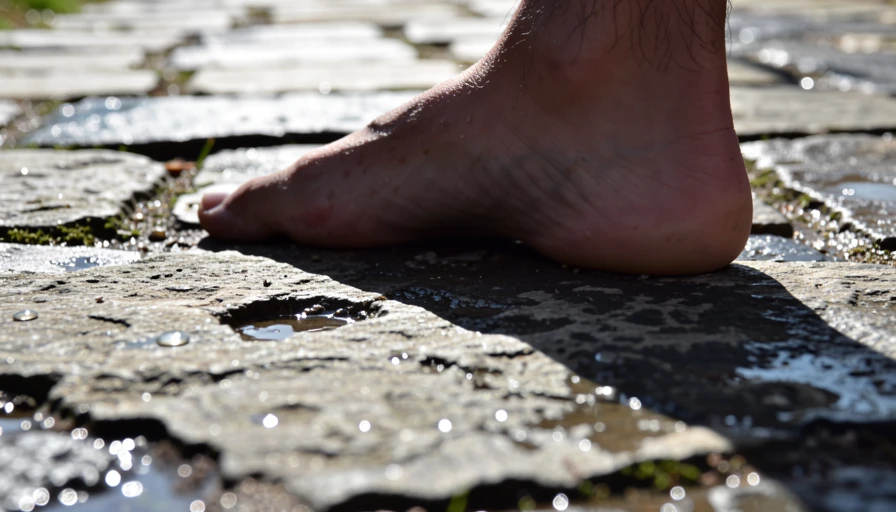
Finally, barefoot walking on safe, clean surfaces can help your feet regain natural strength and sensory feedback. Start with short periods on soft surfaces like grass or carpet, and gradually increase the time as your feet adapt. This practice encourages the natural mechanics of your feet and can improve proprioception, which is your body's ability to sense its position in space.
Taking care of your feet does not require a major time investment. A few minutes each day, combined with sensible footwear choices and professional guidance when needed, can keep your feet healthy, comfortable, and ready for whatever your daily activities demand.